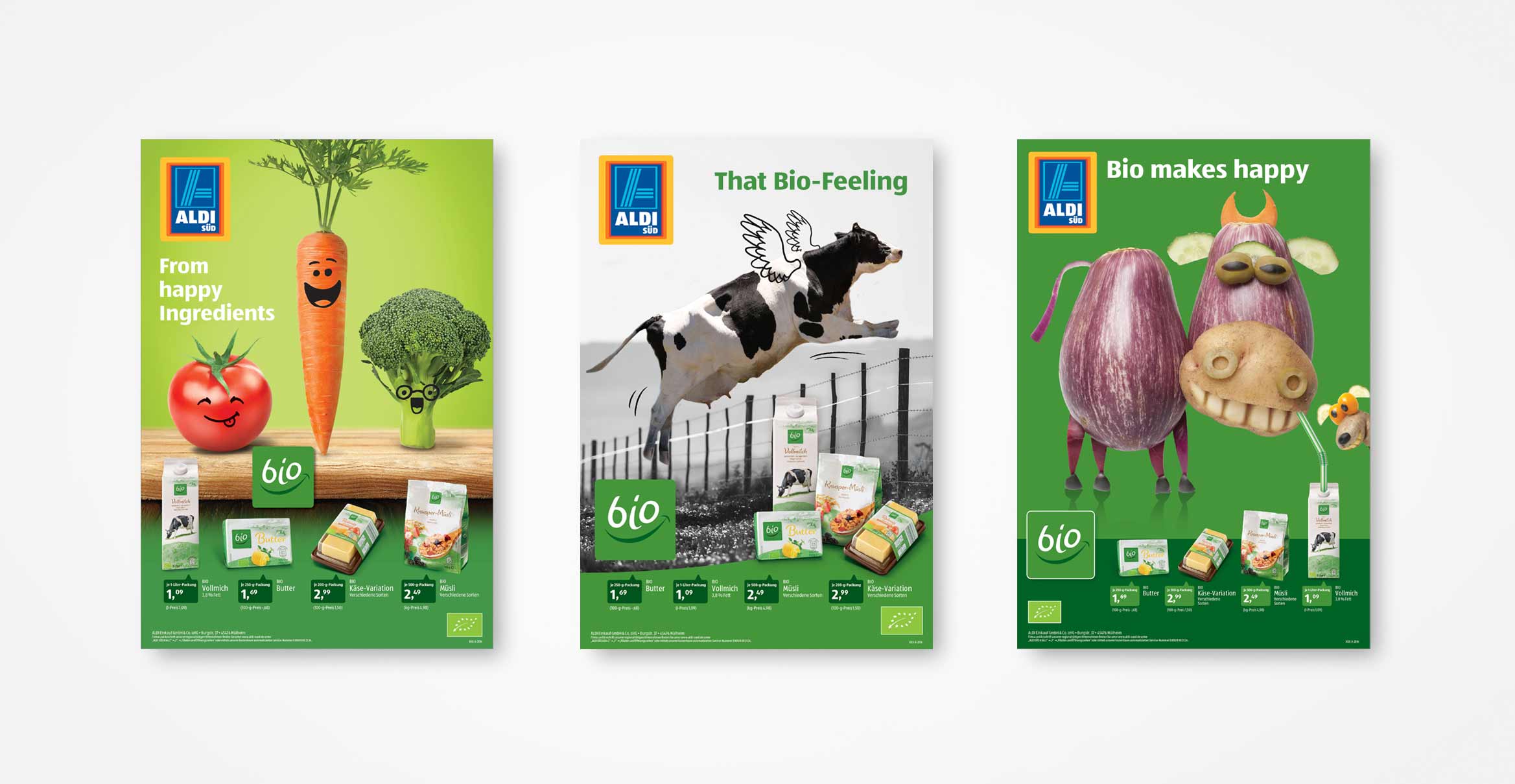
The narrative of space and time can be explored in a number of ways on print advertising, within the food industry however it is a slightly different scenario. For example, in supermarket advertisements images of ‘raw’ ingredients can be used to inform the customers what they will be purchasing at the store. This is often accompanied by images of the food after is has been prepared to show what the final product will hopefully be.
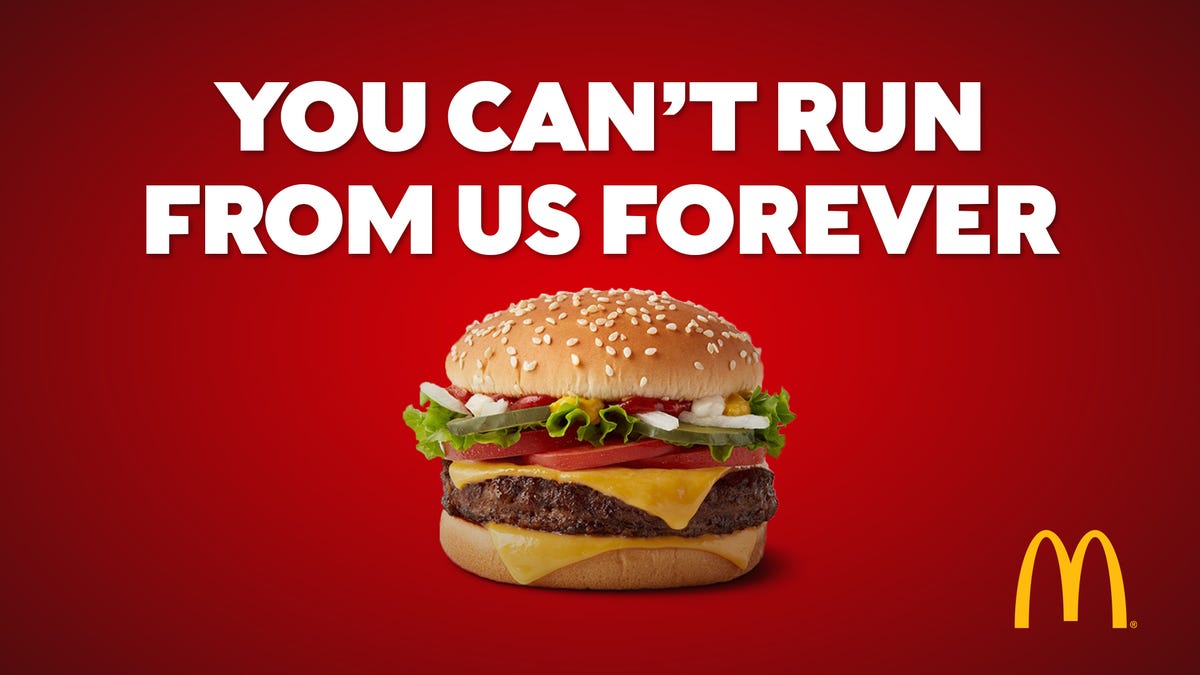
On the other hand however, within the restaurant and food-to-go industry, it is unlikely that an image of the raw base ingredients that will be used. This is because the customer does not wish to see this, as seeing the final product exhibits the fact that they will receive a meal without having to prepare and cook it themselves.
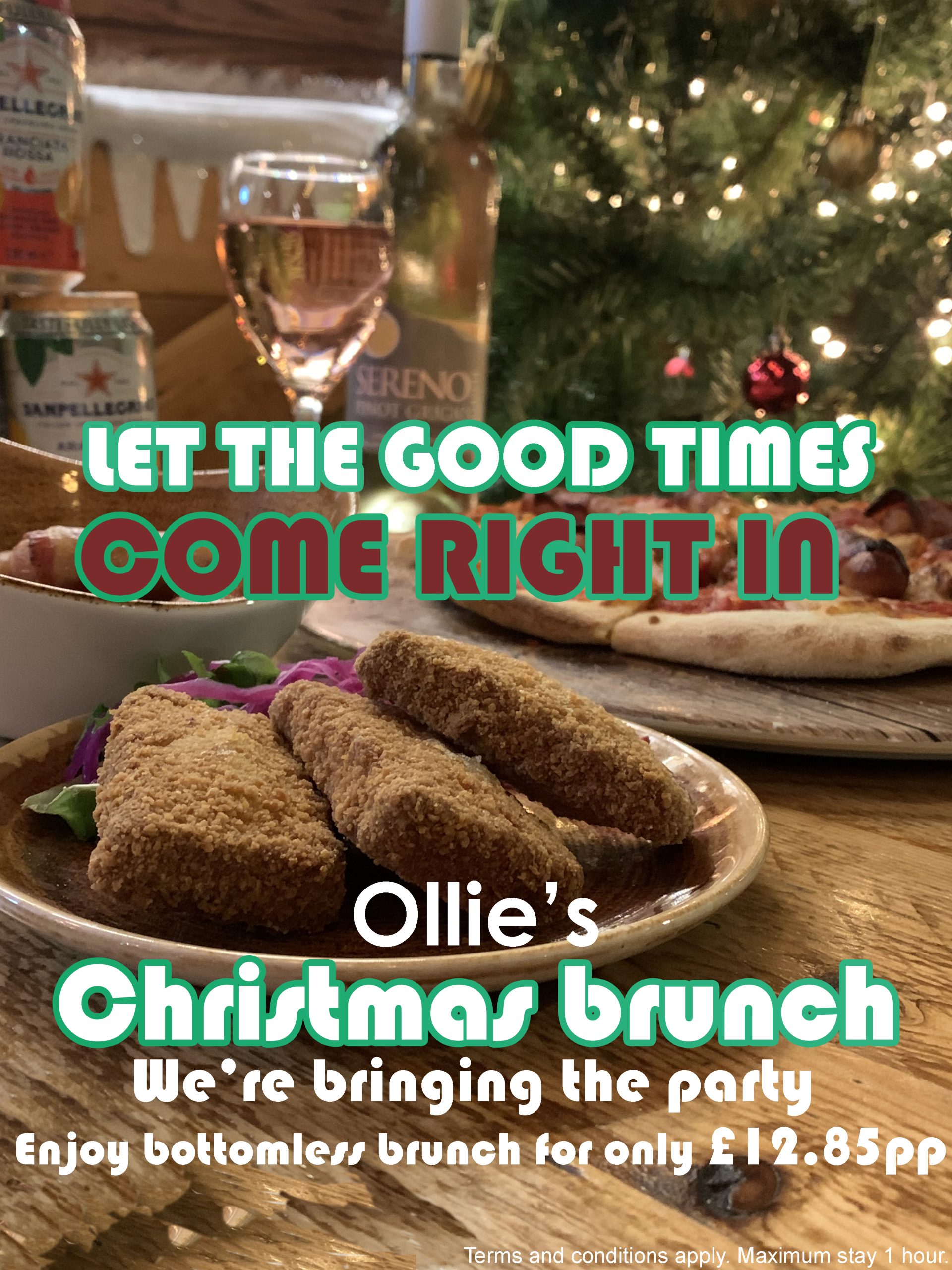
The advertising campaign will use narrative of space and time, by showing the viewer that they will be having a ‘party’ if they came to one of the restaurants and that the time will ‘fly by’, but should stay longer due to the free refills and if they choose to eat at one. This will be highlighted subtly by the bottle of wine and the stack of soft drinks which is still full.
.
.
.
Bibliography:
Aldi Creative Campaign. Available online: https://tjarksandtjarks.com/ en/work/aldi-adverts/ [Accessed 2/1/22]
McDonald’s (2019) McDonald’s advertisement for new Burger. [Photograph] Available online: https://lachsdressur.de/ihr-koennt-nicht-immer-nur-weglaufen/ [Accessed 2/1/22]
Tufte, E (1994). Envisioning Information. Connecticut: Graphics Press p. 97-120.