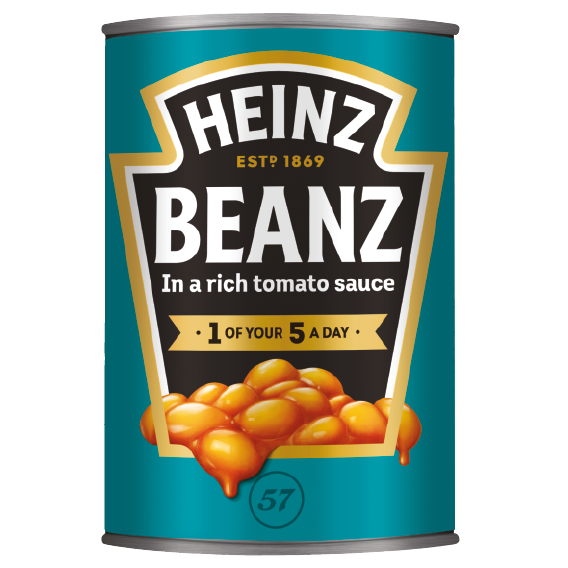
“Peoples perception is typically dominated by what their eyes see” Spence (2011)
Presentation within the food industry is crucial for the businesses success, the food being served must look appealing to the customer, otherwise they run the risk of losing money and more notably, reputation. In food advertising this is even more paramount as this how their product is been broadcasted to their potential buyer. Macdougal (2000) states that food colours within images on packaging comprise of three main types. The first being ‘on-the-shelf’ images, which show what is within said packaging. The second being preparation images which can also determine the customers decision to purchase and the third being an ‘on-the-plate’ image which shows what the food will look like after all the work and effort after it is cooked.
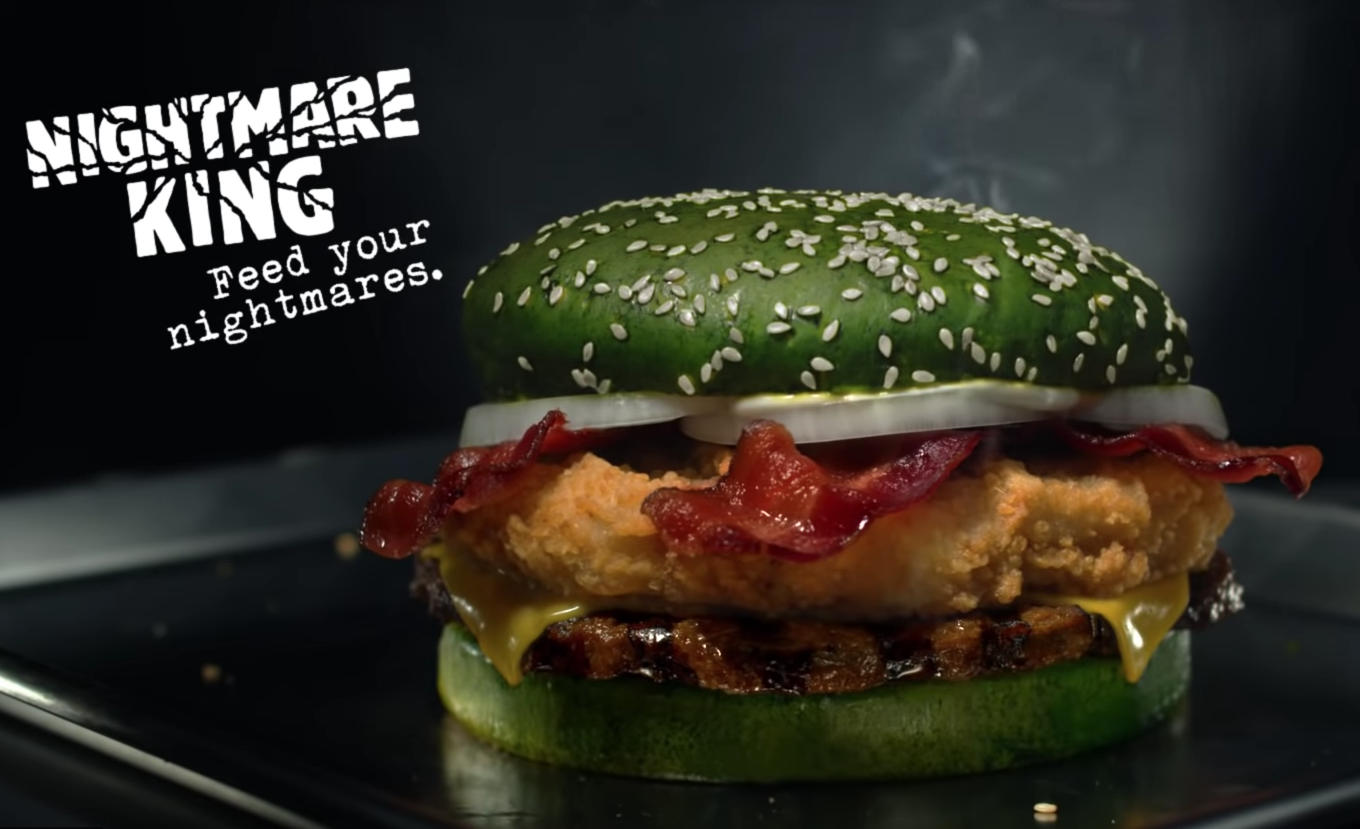
Tufte’s theories work alongside Macdougals theories in that ‘colours multidimensional quality can be used to express multidimensional information’. Food is one of humans basic needs, but in the current climate, especially within business terms it is important that advertisements stand out. The gesture of eating also works alongside the sensory aspect of humanity. For example, “This yellow desert will taste of lemon”. This could also emphasise upon another of Tufte’s theories surrounding colours in nature. Food is something which originates within nature, whether this be direct from nature such as fruit or vegetables, or one which has been processed and gone through changes such as the meat industry, food very rarely sways from its original colour as initially intended. If a foods perceived colour is reconstructed then a consumer will more than likely not choose said product. However, there are some examples of which doing so has provided a benefit. In 2015, Burger king began selling their ‘Halloween whopper’ which had a green bun – something which is not a standard colour, this was generally perceived as a success for Burger King and they brought it back again. However, this highlights the importance of advertising as this allowed consumers to understand why the drastic colour change.
Bibliography:
Handley, L. 2018. Burger King creates ‘nightmare’ burger with green bun. CNBC. Available online: https://www.cnbc.com/2018/10/18/burger-king-creates-nightmare-burger-with-green-bun.html
Spence, C. On the psychological impact of food colour. Flavour 4, 21 (2015).
Tufte, E. (1990). Envisioning information.